
22nd May 2026
Hull City Council and its partners have confirmed the complex programme of works for the Arctic Corsair’s journey, with all required permissions and licences now in place to progress the carefully co‑ordinated activity that will bring the historic trawler to her permanent home at the North End Shipyard.
Delivered in collaboration with Spencer Group, Esteem, Dunston Ship Repairs, Purcell Architects, Beckett Rankine – Marine Specialists and Mace, the project is entering a period of intense activity leading up to the vessel’s move.
Councillor Mike Ross, Leader of Hull City Council, said: “We are now entering the final, critical stages of preparing the North End Shipyard to welcome the Arctic Corsair. This has been a process of collaboration, engineering precision, and a shared commitment to our heritage.
“Seeing the Arctic Corsair move down the River Hull will be a landmark moment for the city. With the course now set, we are counting down the months until we can welcome her into a berth fitting of her history.”
Phase 1: North Dock works (complete)
Preparatory work within, and around, the North Dock has been completed. The dock has been cleared, to allow for use as a holding tank for dredged material removed from the river. This use has been stipulated due to the license condition for disposal on land of the contaminated silt in the river.
The demolition of the former mounting blocks for the Scotch Derrick crane has taken place, clearing the site for machinery and equipment required for the dredging operation.
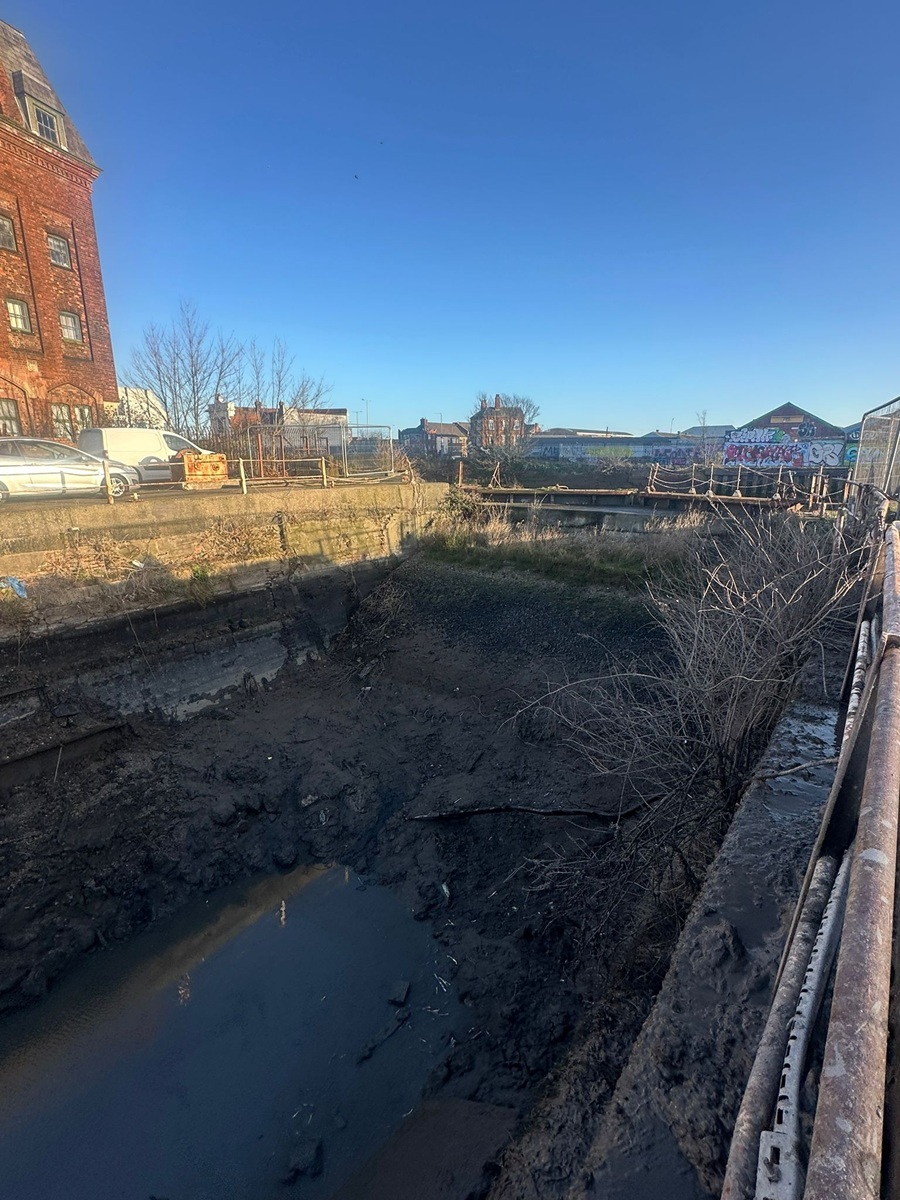
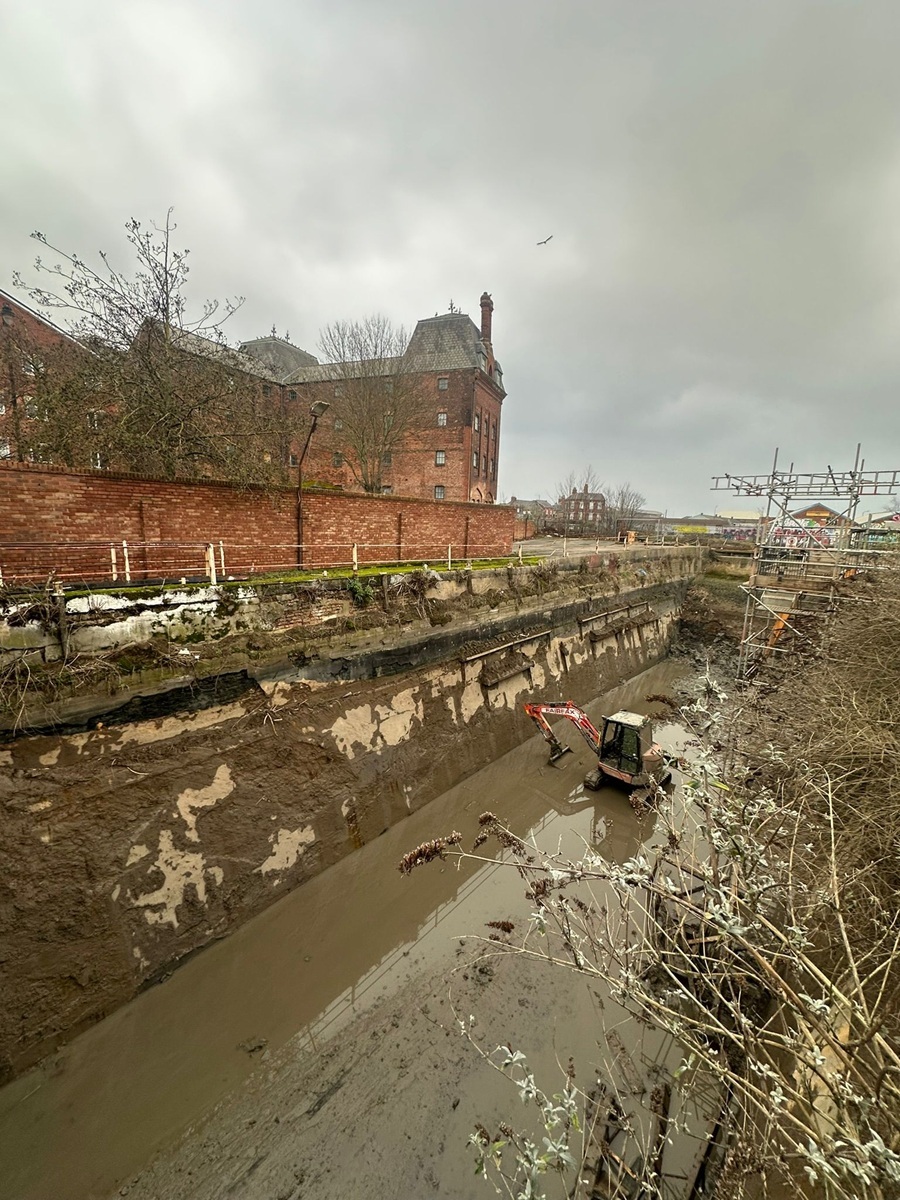
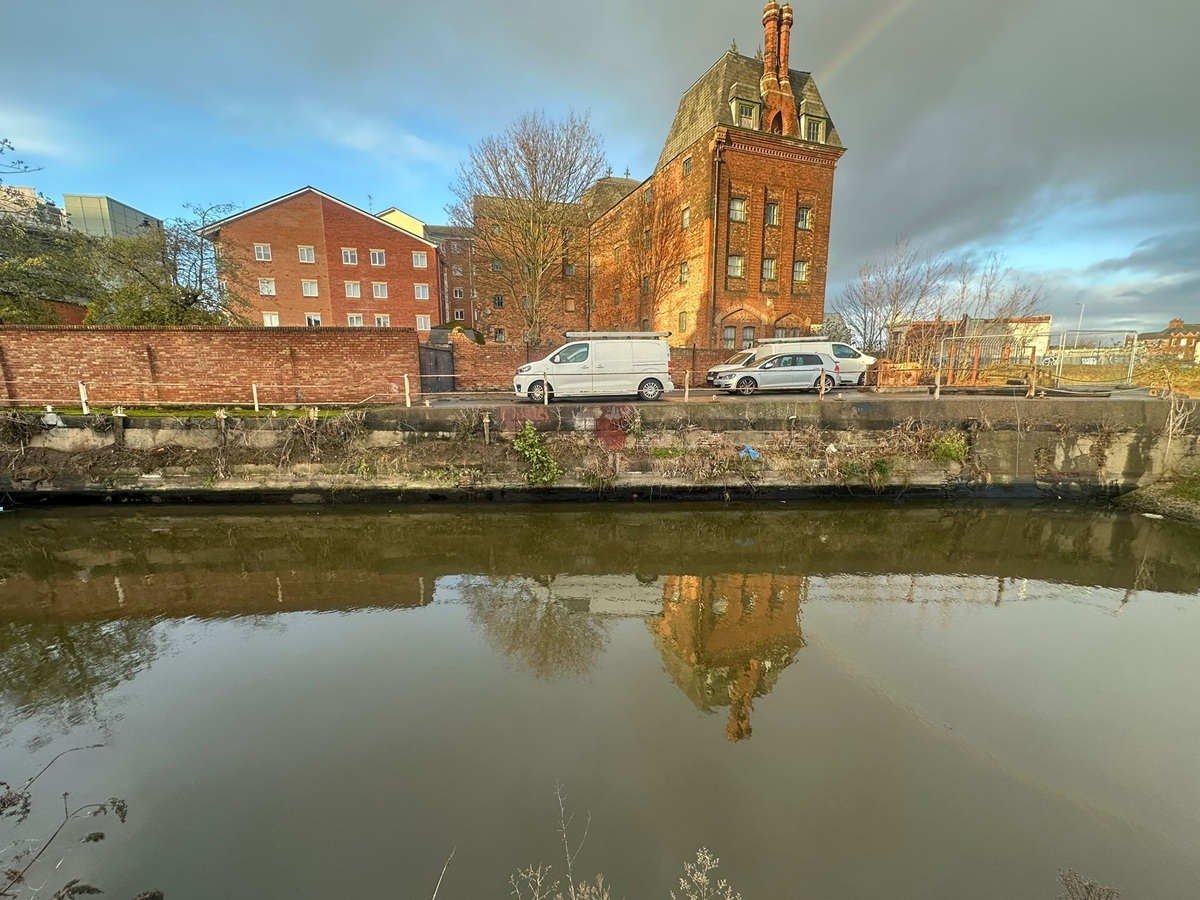
Phase 2: Dredging and Dock Gate (May onwards)
Starting in May, preparations for the dredging will start with the installation of silt buster machinery to enable the start of the dredging programme in June. The dredging, taking place between Drypool Bridge and North Bridge, will establish the necessary depth for the turning of the vessel into the dock at North End Shipyard and provide access for the existing dock gate to be removed. Once complete, a new, custom-built structure will be installed on a temporary basis which will then be permanently fitted once the Arctic Corsair dry docking process is complete.
The Arctic Corsair’s journey travels along the Humber Estuary and up the River Hull, requiring the coordinated opening of multiple bridges and the deployment of the tidal barrier, as well as precise manoeuvring into a dry dock during a narrow high-tide window. In April, a successful trial passage was conducted to test all these elements, the co-ordination required and confirm the areas of the River Hull in need of dredging.
Once the dredging is complete, principal contractor Spencer Group will handover the river operations to Dunston Ship Repairs, to deliver the vessel’s move.
Phase 3: The move (summer 2026)
The relocation of the Arctic Corsair will be scheduled within a specific tidal window. Precise timings will be confirmed closer to the date, as it is dependent on tide and weather conditions.
In the days leading up to the move, the dock will be flooded by lifting the new dock gate out and allowing the river water to enter in preparation for the Arctic Corsair to arrive from the river.
Once the trawler is successfully berthed:
- The dock water will naturally clear on the falling tide and the new structure will be reinstated and permanently sealed.
- The dock will be pumped dry fully, allowing the Arctic Corsair to rest in her new dry-berth location
- Final preservation works will be completed to ensure the long-term stability of the vessel.
Once the Arctic Corsair is moved to her new home, a final programme of works will take place, which can only occur once the vessel is berthed, and an opening date confirmed.
These carefully coordinated works represent a critical step toward transforming North End Shipyard and securing the Arctic Corsair’s future as a centrepiece of Hull Maritime. The project continues to demonstrate strong partnership working, detailed planning, and a shared commitment to preserving Hull’s maritime heritage for generations to come.