
8th June 2026
Rare scrimshaw, Arctic relics and historic objects to go on public display for the first time
Hull Maritime Museum will reopen to the public on Saturday 8 August 2026 following a landmark £20.4m transformation that reimagines one of the UK’s most important maritime museums for the 21st century.
Opening in the restored former Dock Offices in Hull’s historic city centre, the transformed museum doubles its public space and will display 50% more objects from the collection, with around 1,300 objects accessible across the galleries and open storage spaces, many on public display for the first time.
Through immersive galleries, major new displays and internationally significant collections, the museum tells the story of Hull’s 800-year relationship with the sea, a maritime history that helped shape trade, migration, fishing and whaling across Britain and beyond. Today, Hull and the Humber remain the UK’s busiest port complex.
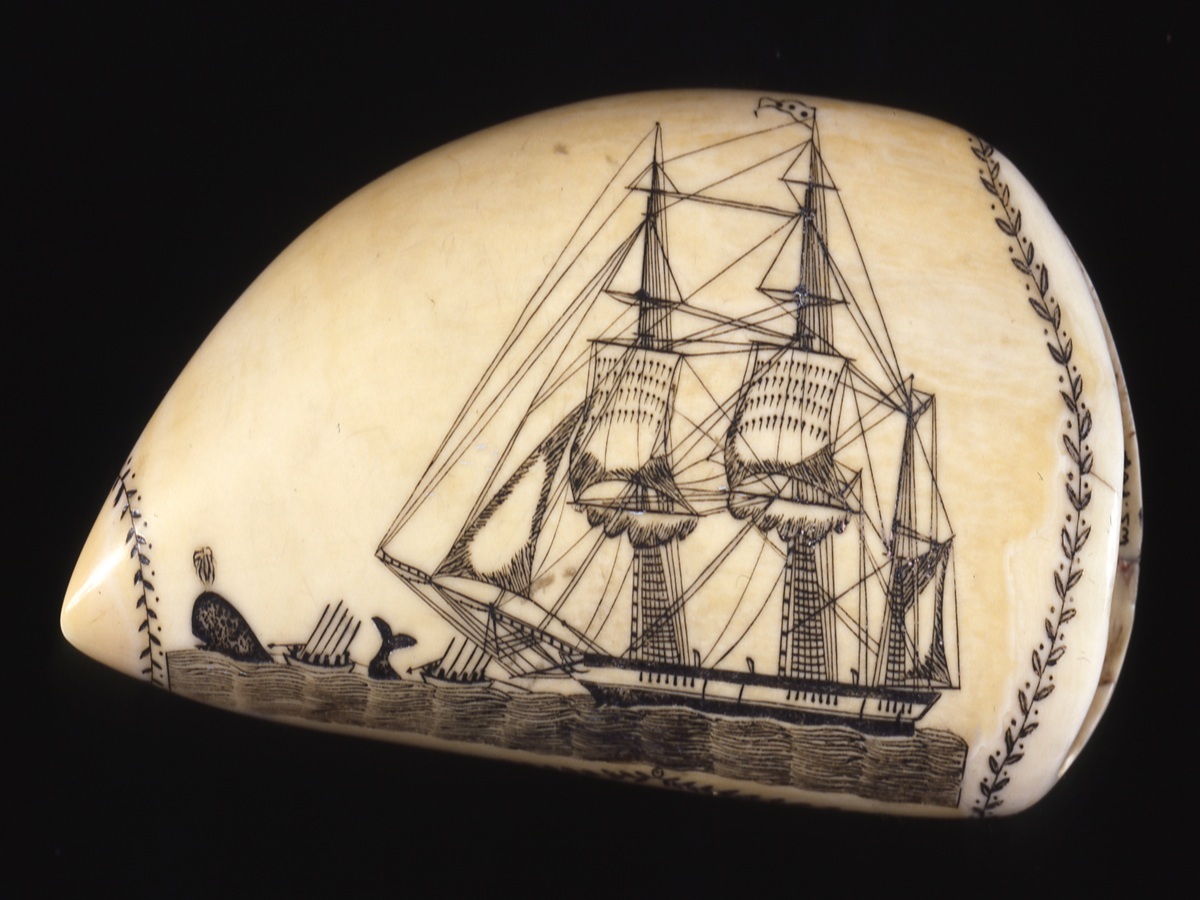
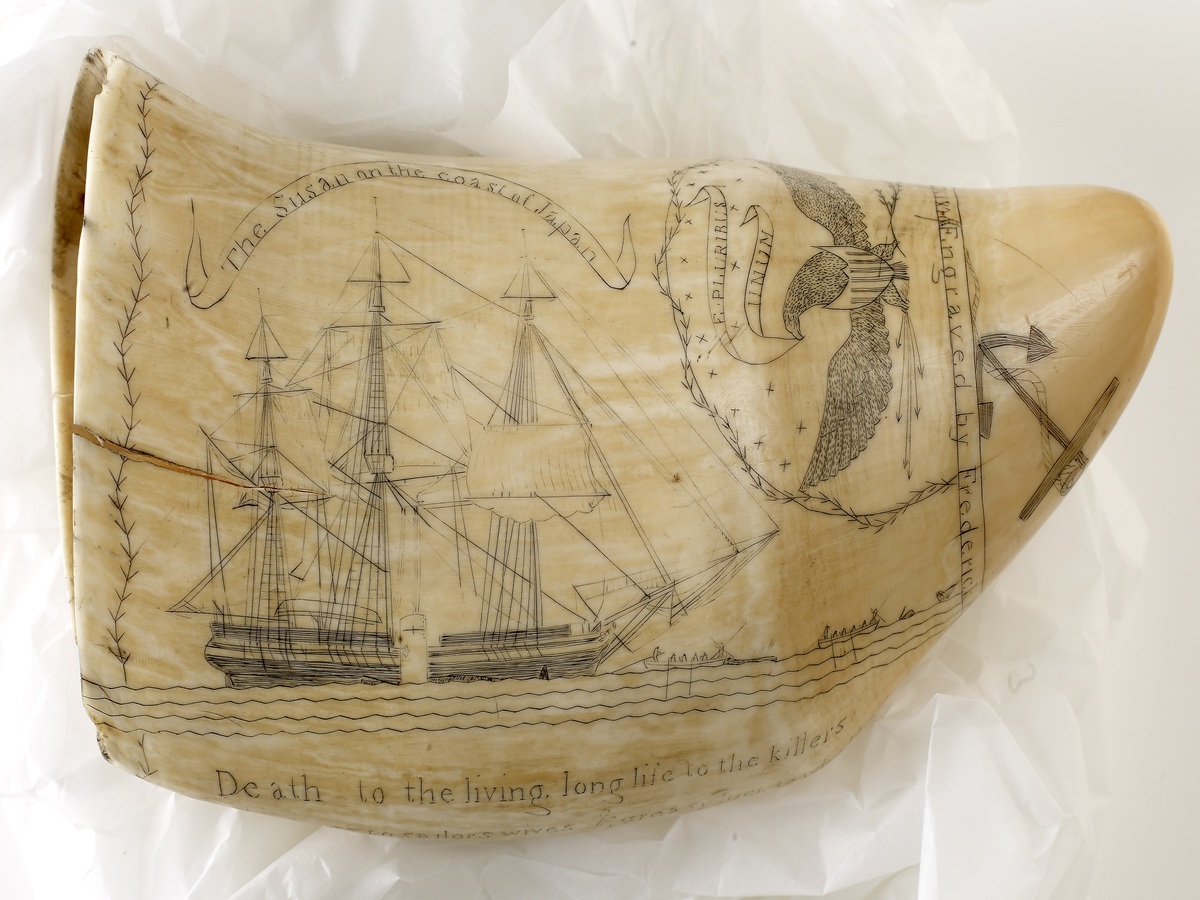
Among the highlights are rare examples of scrimshaw, intricate folk art created by whalers from whale bone and teeth, from what is believed to be the largest scrimshaw collection outside the United States. The collection spans more than two centuries of whaling history, from early 19th century sperm whale teeth engraved aboard ships at sea to 20th century whale bone folk art. A dedicated scrimshaw gallery will open to the public for the first time as part of the redevelopment.
Treasures on display include:
- a newly acquired rare scrimshaw tooth linked to Hull whaling ship Truelove, which made 72 Arctic voyages over more than a century
- decorated sperm whale tooth of the Phoenix of London hunting a sperm whale by renowned American scrimshaw artist Edward Burdett
- one of a famous series of engraved whale teeth by Frederick Myrick depicting the Nantucket whaleship Susan off the coast of Japan
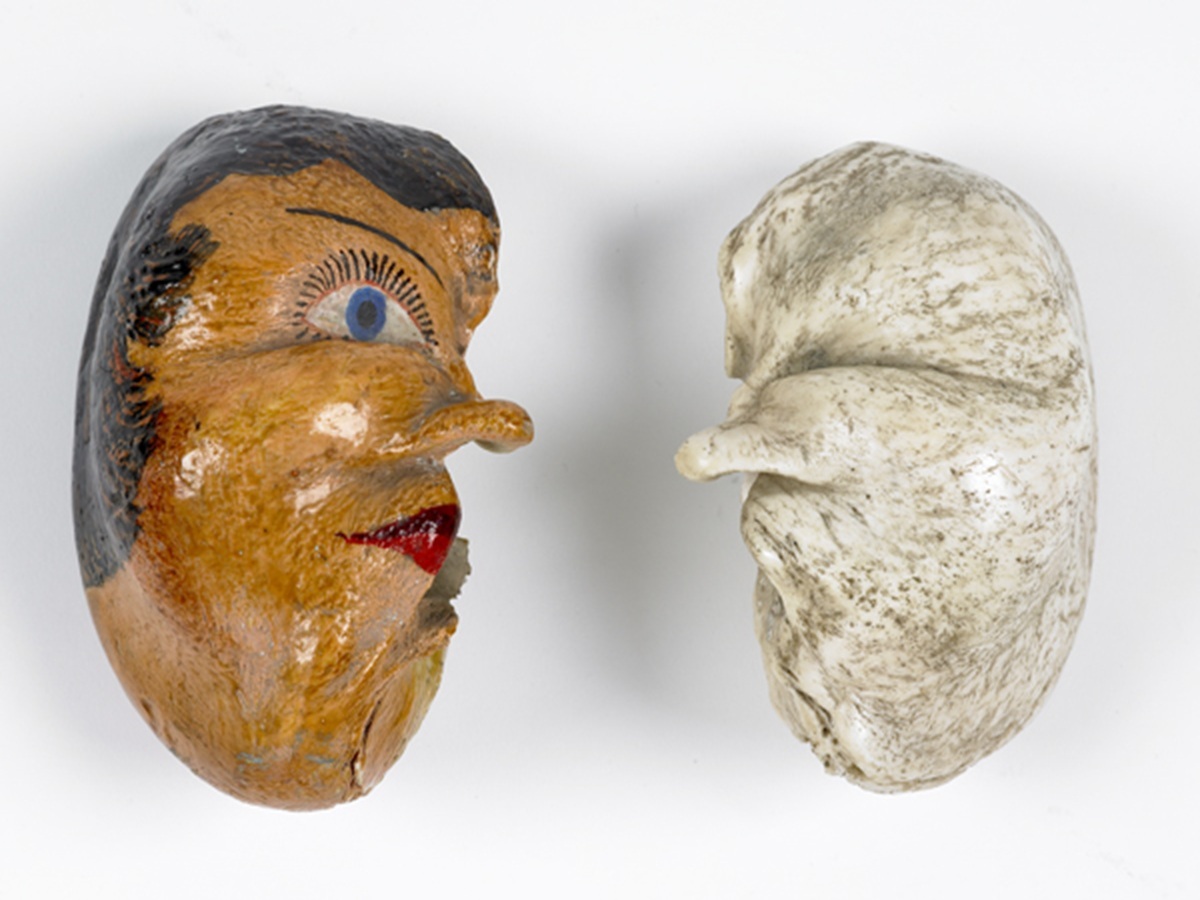
- hand-painted whale earbones transformed into surreal human faces
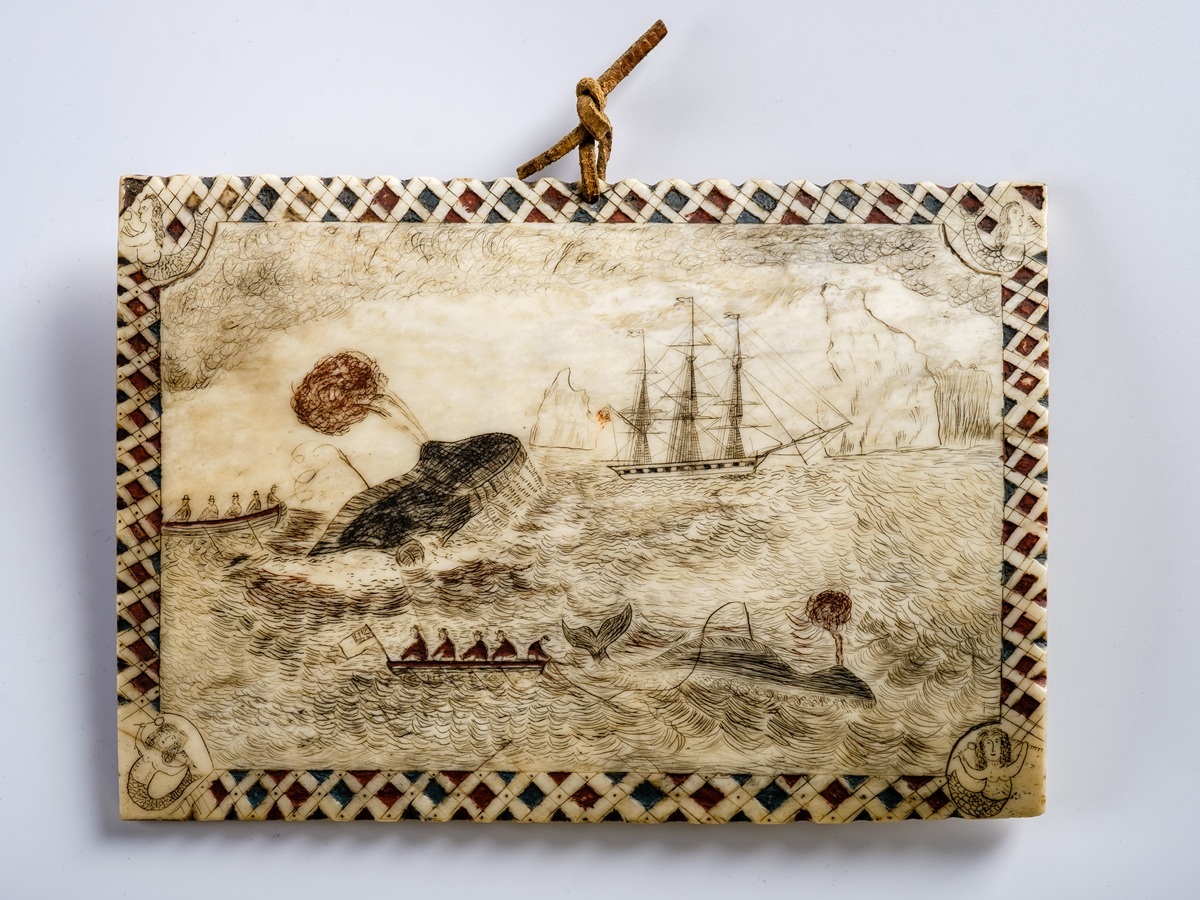
- a dramatic whale jawbone plaque depicting an unusual bowhead whale hunt with icebergs in the background and mermaids in the decorated border
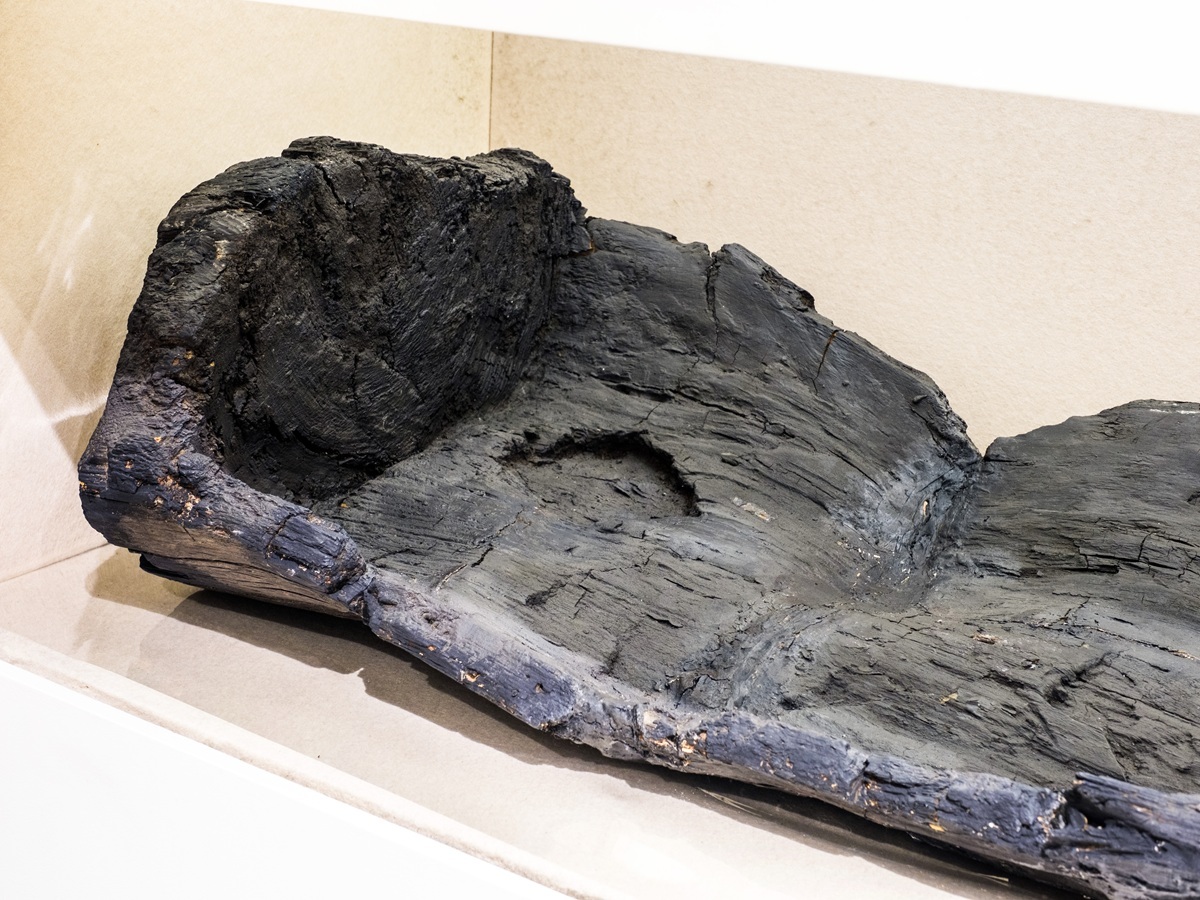
Other highlights going on display include the skeleton of a critically endangered North Atlantic right whale, a species with fewer than 400 remaining worldwide, objects carried on Sir Ernest Shackleton’s Endurance expedition to Antarctica, and a wooden canoe discovered beneath Hull during the construction of the Guildhall in 1908, thought to date from between 1636 and 1799.
Visitors will also encounter the wooden dog figurehead from the Sirius, the first steamship to complete a transatlantic crossing under steam power in 1838.
Alongside the permanent galleries, a new community exhibition space will celebrate the region’s maritime heritage through objects, images and filmed content from local and specialist organisations preserving stories of the sea. Designed to national museum standards, the environmentally controlled gallery will also enable Hull Maritime Museum to host major loans and touring exhibitions.
Councillor Mike Ross, Leader of Hull City Council, said: “Hull Maritime Museum will be the centrepiece of a new maritime experience that brings Hull’s maritime history to life. It is continuing our long-term cultural regeneration vision for Hull which will significantly increase visitors from across the UK and internationally.
“It will ignite our sense of civic pride in our beautiful and historic city. Visiting Hull Maritime Museum will be an unforgettable experience from August, I am sure we will be welcoming visitors from far and wide to Hull to see its maritime treasures for decades to come.”
Robin Diaper, Curator of Social and Maritime History, said: “The new museum allows us to tell Hull’s maritime story in a richer and more ambitious way than ever before.
“Hull is a great maritime city, made greater by its people. Our nationally significant collections will reveal not only Hull’s role as one of Britain’s great maritime cities, but also the human stories, creativity and global connections that grew from life at sea.”
Eilish McGuinness, Chief Executive at The National Lottery Heritage Fund, said:"It's incredibly exciting to see that Hull Maritime Museum will reopen this summer and is ready to welcome visitors from near and far to share and celebrate the city's rich and fascinating maritime heritage. Not only will visitors be captivated by the significant collections of the museum, comprising of around 1,300 artefacts, they will be able to take in the striking beauty of the Grade II* listed building and its stunning architecture, which has been preserved as part of the project.
"We're incredibly proud that thanks to National Lottery players, the Heritage Fund is able to support place-based investment boosting pride in place and connecting communities and visitors with this vital heritage. We have invested over £55.7m in over 150 projects in Hull, all of which, including the museum, are contributing to the city’s ongoing, heritage-led, cultural renaissance. It's a milestone that provides another gateway to all of the wonderful things that Hull has to offer."
The transformation of Hull Maritime Museum has been supported through a combination of local and national public and charitable funding. Hull City Council has contributed £11.8m demonstrating its strong commitment to the city’s cultural regeneration and heritage. The National Lottery Heritage Fund has contributed £7.7m reflecting the project’s national importance in preserving and celebrating maritime heritage and £0.9m has been secured through private donations, highlighting valuable support from individuals and private organisations.
Hull Maritime Museum is housed within the spectacular former Town Dock Offices in Queen Victoria Square, a Grade II* listed landmark first opened in 1871 when ships sailed directly past the building. The museum itself began life in 1912 as the Museum of Fisheries and Shipping in Pickering Park before relocating to the Dock Offices in 1975. Closed since January 2020, the building has undergone the most significant transformation in its history, designed by Purcell and carefully restored by Simpson of York, to combine historic architecture with contemporary gallery spaces and immersive interpretation.
The museum will be open, Monday – Saturday, 10am – 4.30pm, Sunday, 11am – 4pm and will be free to visit. Information on tickets will be available soon.