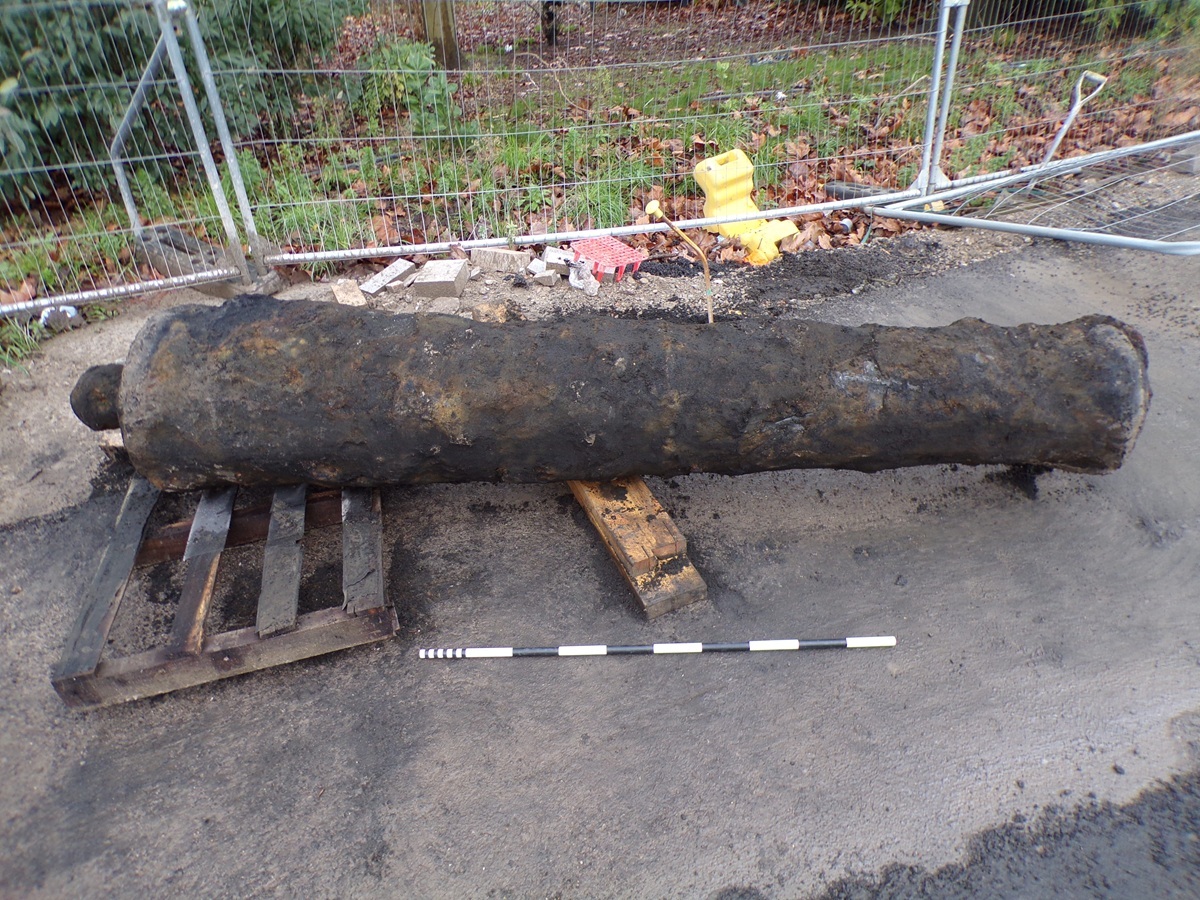
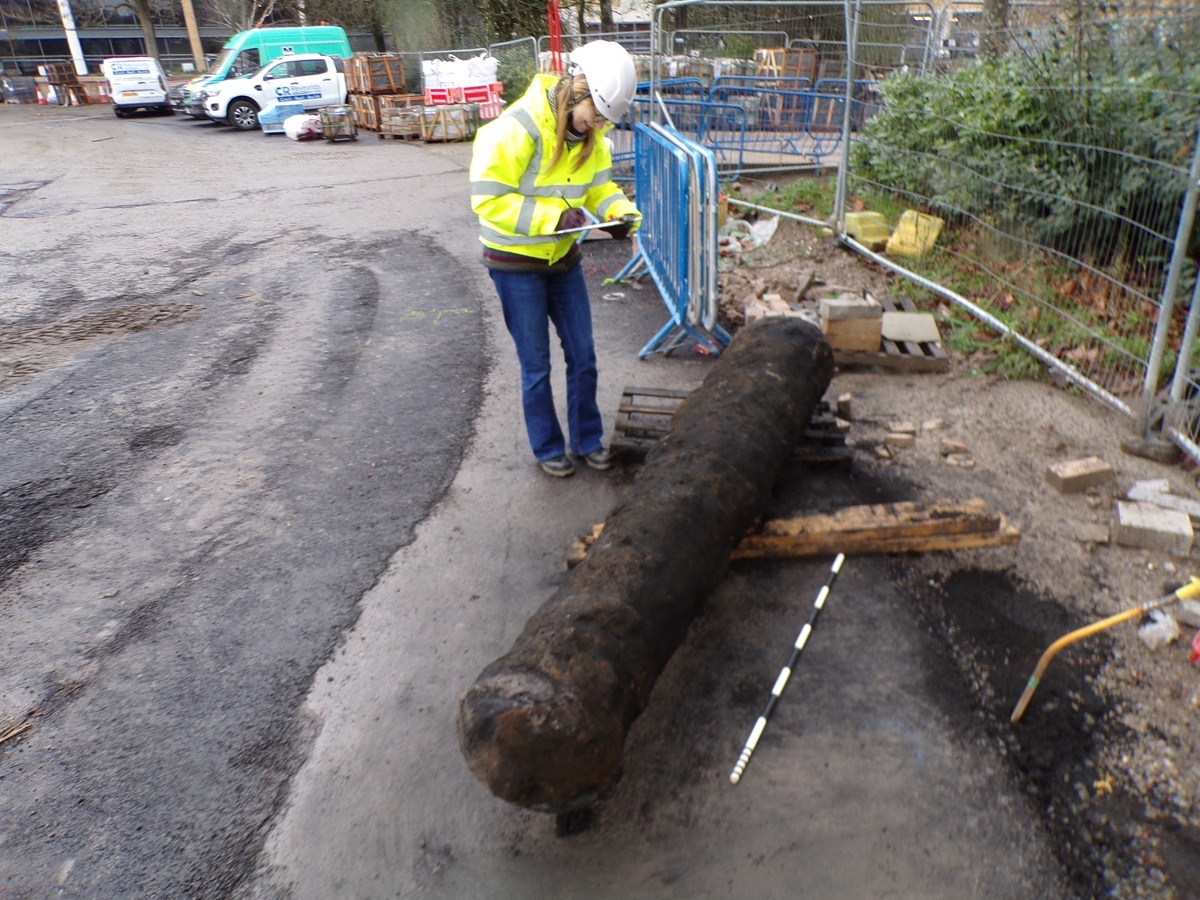
An historic cast iron cannon was discovered during the latter stages of the restoration. The find was made on Friday 13 February 2026 (not so unlucky!) during excavation for an underground storage tank, when local contractors, C R Reynolds, were amazed to discover the large object embedded in the ground.
Early assessments from the council’s archaeology team, Humber Field Archaeology, suggest the cannon dates from the 17th to 18th century, although this broad timeframe will be refined as investigations progress. The cannon measures approximately 2.6 metres in length and is estimated to weigh over a tonne.
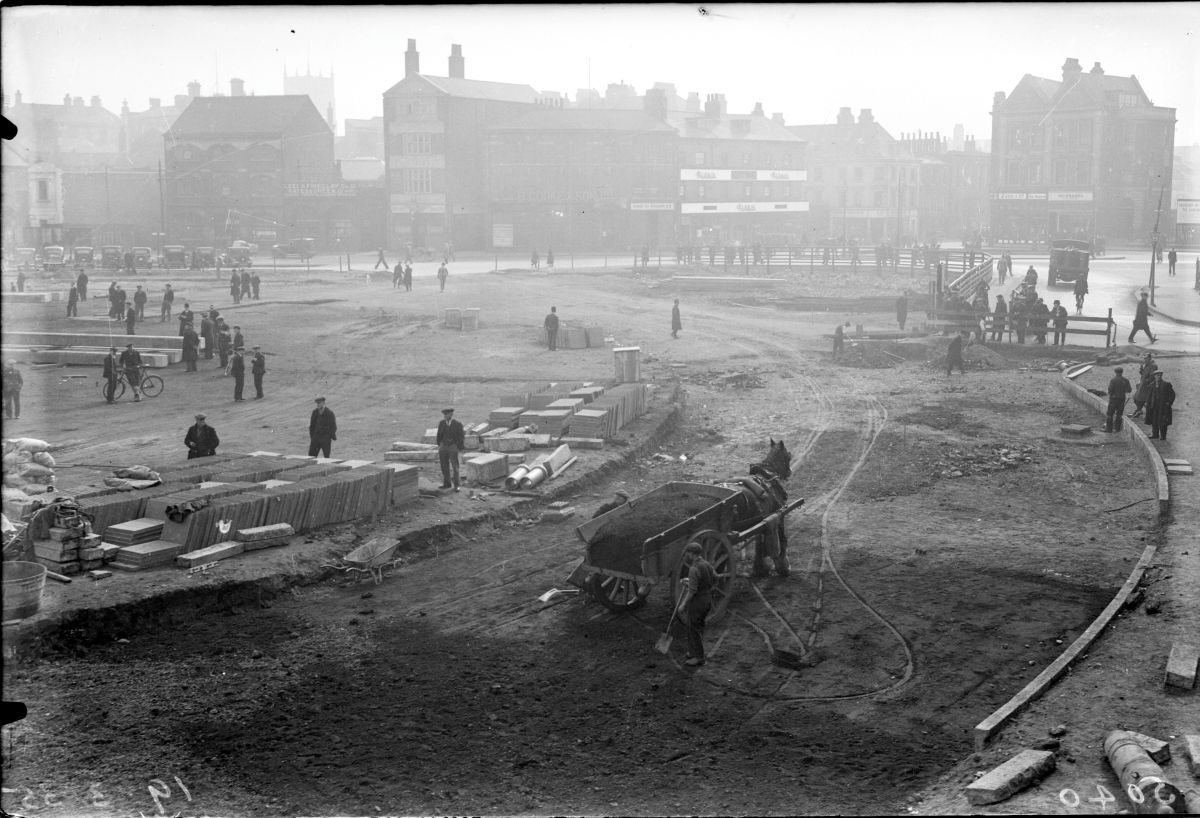
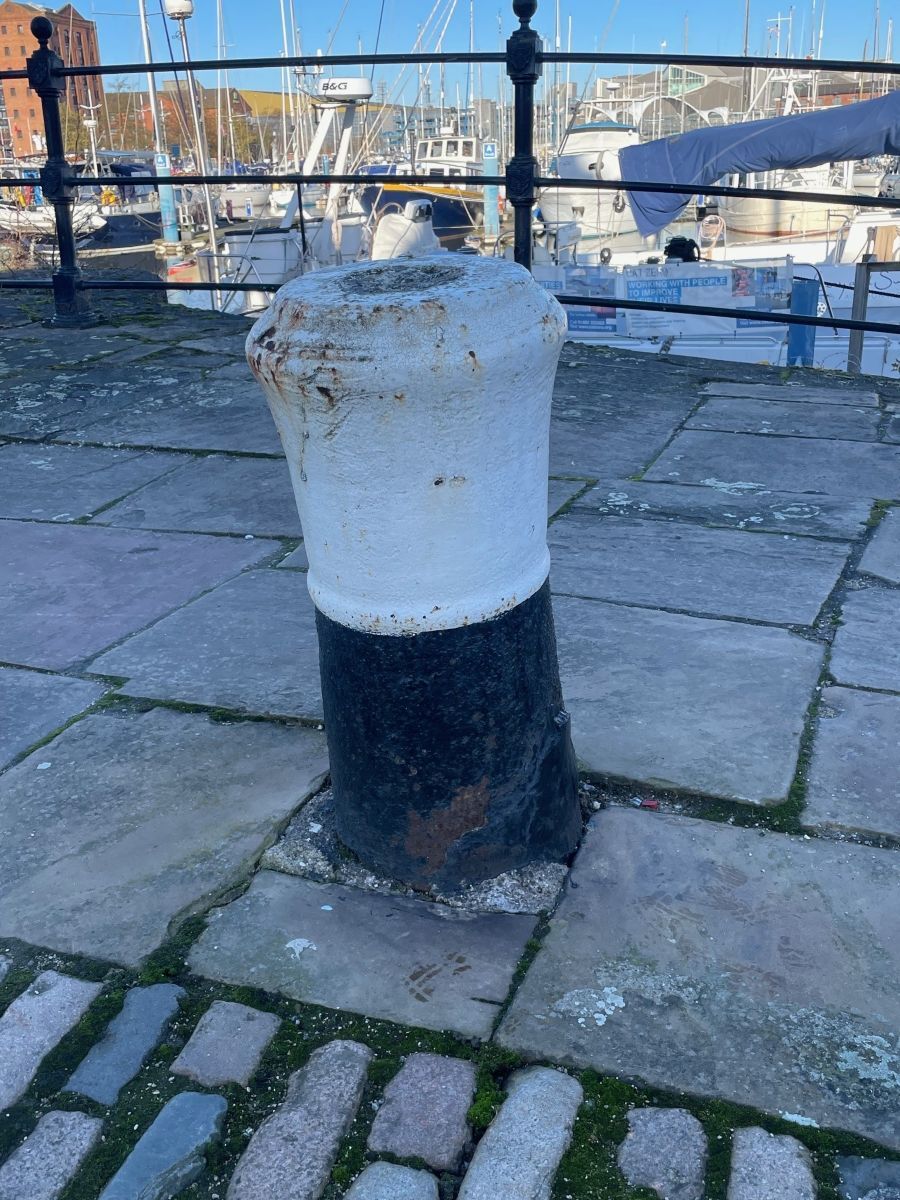
Initial observations indicate the cannon had been decommissioned, with the nozzle deliberately capped. Archaeologists believe it was likely repurposed as a mooring post, a common practice in the late 19th and early 20th centuries, before being pushed into the dock area prior to it being infilled in the 1930s. You can find other examples of cannons being used as mooring posts at Humber Dock Marina (on both the south side and north side of Humber Dock basin)
Here's Peter Connelly, Archaeology Manager from Humber Field Archaeology answering questions on the find.
Was the discovery unexpected for the contractors and archaeologists working on site?
Definitely, it was very unexpected! The contractors certainly weren’t expecting a canon to turn up, and when it was initially uncovered first thoughts weren’t about the object being a canon. The archaeologists weren’t expecting it because they knew that the deposit being dug into was dock backfill. This discovery just goes to show that people will deposit anything in a conveniently large hole in the ground when it is being backfilled!
How unusual is it to uncover a cannon like this? Were archaeologists expecting different types of artifacts?
Finding a canon buried in the ground is a very rare thing, not unknown, but definitely very rare. A nearly 500-year-old canon, dating to the reign of Henry VIII, was found in Hull in the late 1990’s and is on display in the Hull’s archaeology museum. A fragment of a 400-year-old canon, dating to the period just before England’s Civil War, was found in 2019. This new canon discovery is only the third of its kind in 30 years.
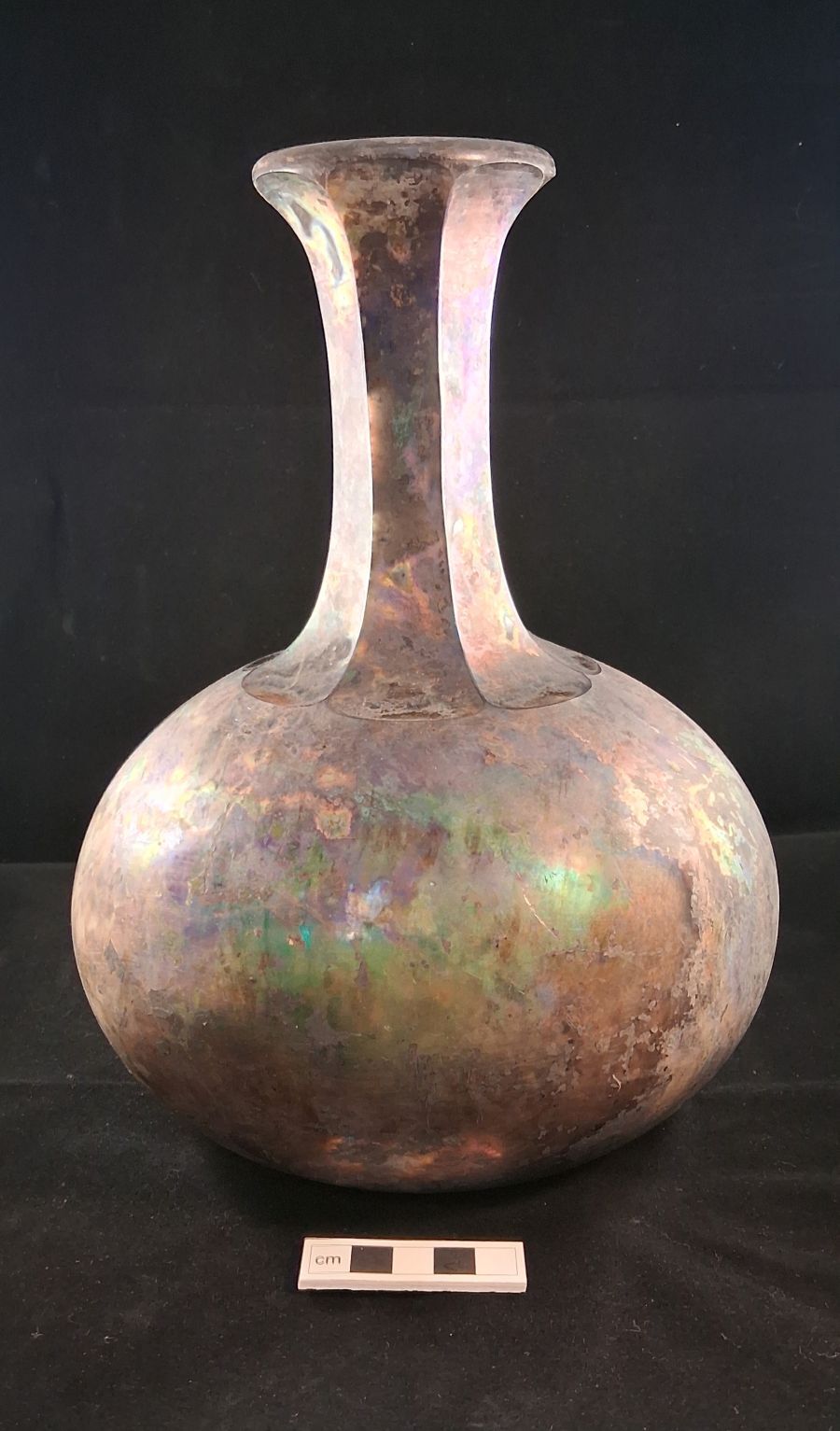
The archaeologists were expecting artefacts that represent domestic refuse from the early 20th century to be found, as well as the occasional accidental loss. For example, a complete late 19th century glass decanter was recovered from the dock backfill – somebody was probably quite upset when they lost this!
Is there any indication that the cannon was deliberately discarded?
Yes, there is! The canon had been deliberately decommissioned before being re-used. The trunnions, the pivots either side of the central shaft of the cannon, had been deliberately cut off rendering the cannon almost useless and the muzzle of the cannon had also been capped off.
After it had been decommissioned the cannon was re-used as a mooring post, most probably positioned on the edge of the dock. After the dock fell out of use, and as it was being backfilled and converted to a garden, this mooring post no longer had a function and the canon was tipped into with the backfill.
Is there anything else our readers should know about this discovery or the history behind it?
The canon is made of cast iron and was probably made in the late 17th century, or during the 18th century. Further work is still to be carried out on the canon to focus on when exactly it was cast, where it was made and hopefully find out who made it.
In the late 18th century (nearly 250 years ago) Hull had it’s own canon makers and Canon Street, close to Hull’s city centre, takes its name from the fact that canons were made there. Was the canon made Hull? Further analyses may tell the archaeologists if this was the case.
Decommissioned canon mooring posts can still be found in Hull today! There are two near Humber Dock that people wander past every day and probably don’t even realise these posts were once canons. These re-used canon mooring posts are around 220 years old.
After the canon was found original photos of the infilling of the dock came to light, taken in the 1930’s. In the bottom right-hand corner of one photo the remains of a canon can be seen. This is probably not the canon that was found by the contractors but goes to show what could be found lying on the edge of the old dock in the 1930’s.