
Have you ever wondered how sailors throughout history found their way safely across the sea before the invention of electronic equipment like GPS?
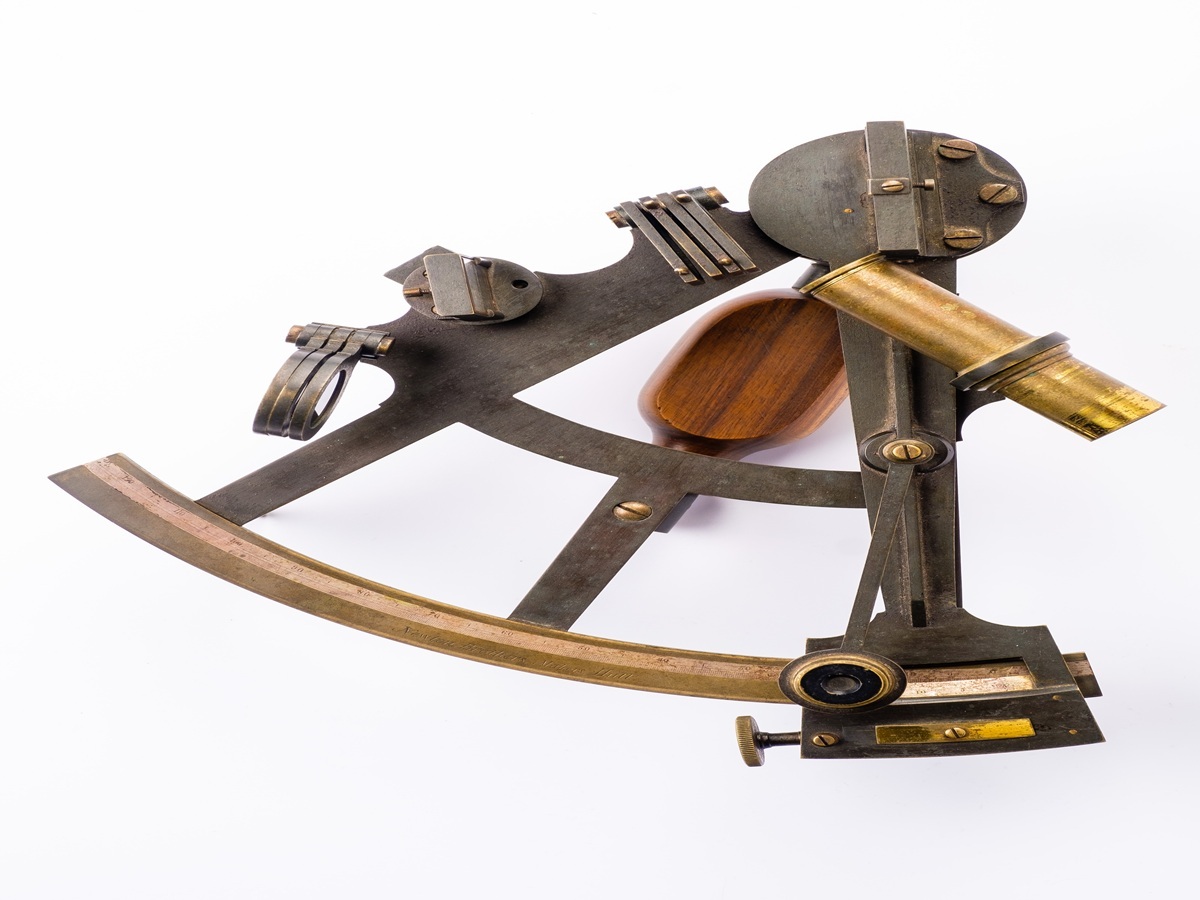
Hull Maritime Museum’s collections include a wide range of fascinating navigational objects that people have relied on for centuries to travel safely around the world. These instruments will be on display when the museum reopens this summer. Complementing the collections for the first time will be a brand-new planetarium.
In this blog we explore why, where and how this this exciting new theatre to explore the stars is being brought to reality.
Why a Planetarium?
Hull is Yorkshire’s only maritime city, and the Humber has been a centre of maritime trade for over 3,000 years. Once sailors left port, they could travel hundreds of miles without seeing land again, so using the Sun and stars was the most reliable way of understanding where they were. Because of this, plans for a planetarium have been part of the museum project from the very beginning.
In 2019, a Hull People’s Panel survey found that two thirds of respondents expressed an interest in the idea of “a planetarium / night sky effect in the Hull Maritime Museum.” With no permanent planetarium in the local area, the museum offered the perfect opportunity to explore the astronomical story of navigation but first, the right space had to be found.
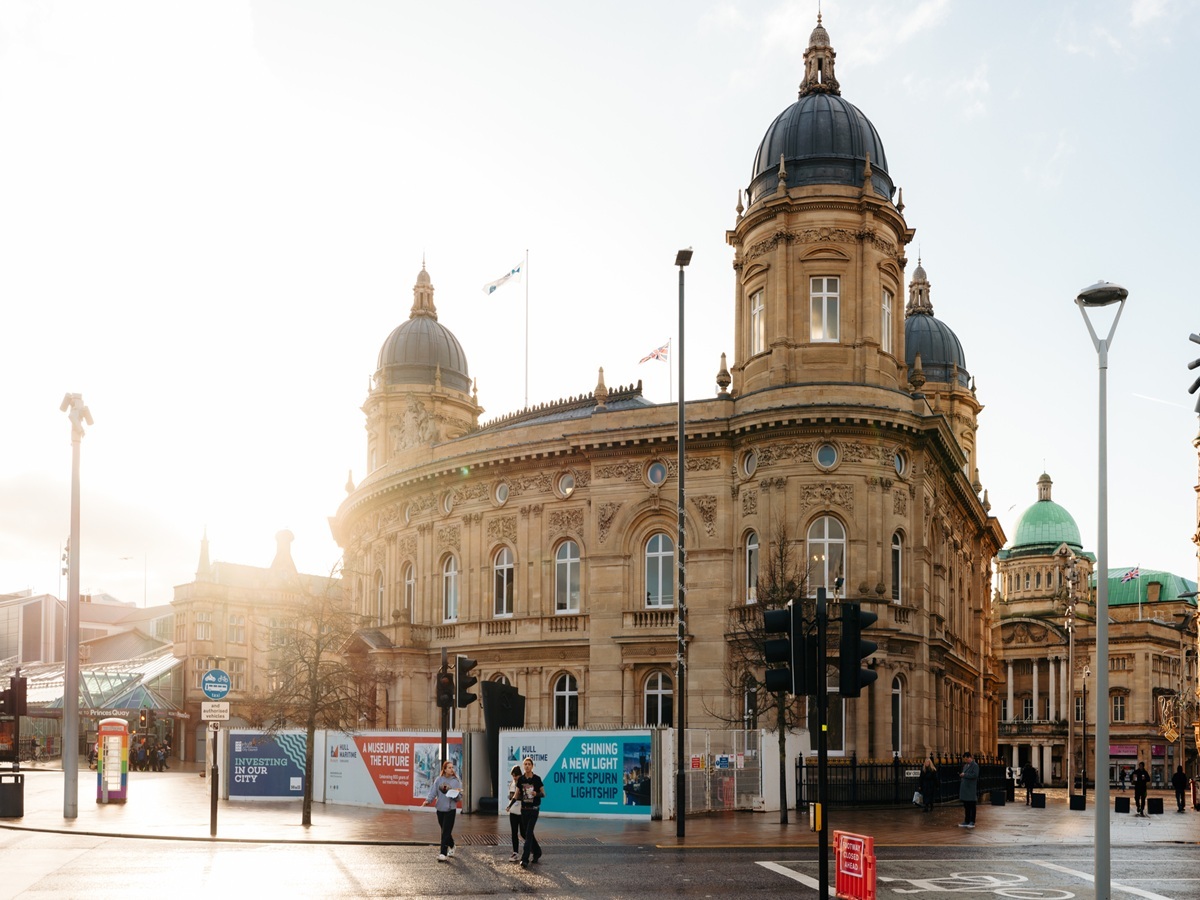
During the planning of the museum’s renovation, one location quickly stood out. At each corner of the beautiful Victorian building are round rooms extending up through the floors to the three distinctive lead-domed roofs. On the third floor one of these rooms has a smooth, domed ceiling ideal for projecting the night sky and allowing visitors to sit back, look up, and be transported to the stars.
Developing the Planetarium show
Once the location of the planetarium was confirmed, a clear message for the experience was developed. The result is a 10–15 minute show projected onto the dome, exploring how sailors have historically used the sky, both day and night, for maritime navigation.
It was important that the heritage explored through the planetarium was relevant, inspiring, and accessible. Maritime navigation can be a complex topic for those unfamiliar with it, so pitching the content correctly was especially important. The show needed to be engaging and understandable for young children, while still interesting and informative for older visitors.
As such the story has been developed collaboratively between the museum’s learning, access, and curatorial teams to ensure it meets the needs of the wide audience who may visit.
School groups have always been a key consideration and several core topics were chosen to meet school's curriculum needs. These include understanding that the Sun is a star and how the Earth and other planets orbit the Sun. These key concepts give the show a base from which to connect maritime navigation concepts such as latitude and longitude.
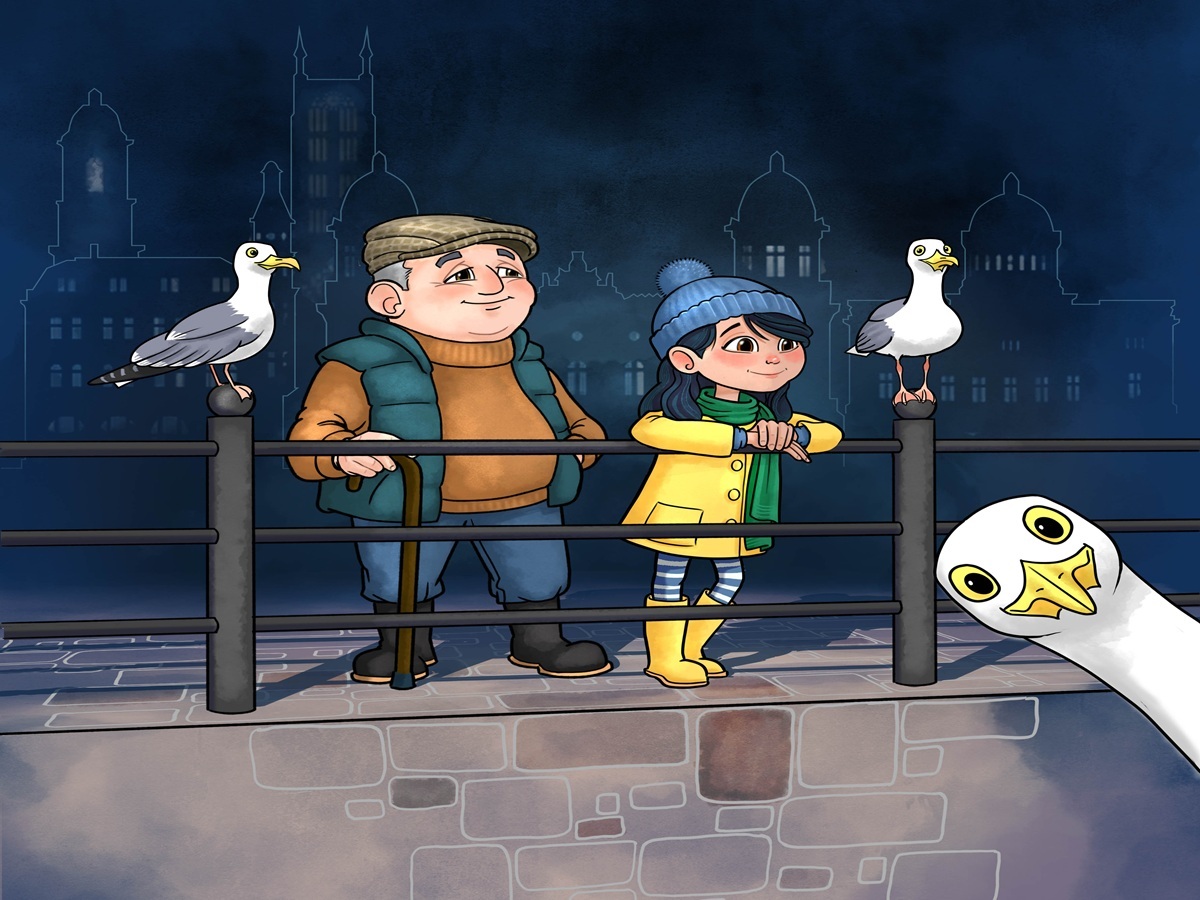
To bring these subjects together and make them feel more personal, a narrative was developed featuring two main characters: a local, retired sailor and his curious granddaughter. The curatorial team ensured the content was accurate and historically appropriate, while the access team highlighted the importance of including British Sign Language interpretation and subtitles to reduce barriers for visitors.
The story brief was shared with Heritage Interactive, who are working closely with museum teams to bring the digital elements of the Maritime Museum to life, including the planetarium show. Over the past 12 months, the team has taken part in regular meetings, consultations, and on-site technology tests and the animation is now close to completion, with one of the final stages being the recording of the script by voice actors taking place in the next few weeks.
As the visual and audio experience has been refined, two additional support characters have been introduced: a cheeky seagull to entertain younger visitors, and an anthropomorphic Polaris (the North Star). Polaris plays a key role in helping to explain navigation concepts whilst interacting with the main characters.
What visitors can expect
In addition to the animated show, the planetarium space will feature comfortable seating, mirrors for visitors who are unable to look up at the ceiling, and two screens displaying British Sign Language interpretation and subtitles.
The show also includes natural pause points, allowing the museum’s education team to run workshops for school groups. During these sessions, children will have the opportunity to handle real navigation equipment and explore the ideas introduced in the planetarium in greater depth. Outside the planetarium will be the gallery for all our navigation collections and a interactive navigation game, so once you have seen the show you can marvel at the real thing.