
2nd June 2026
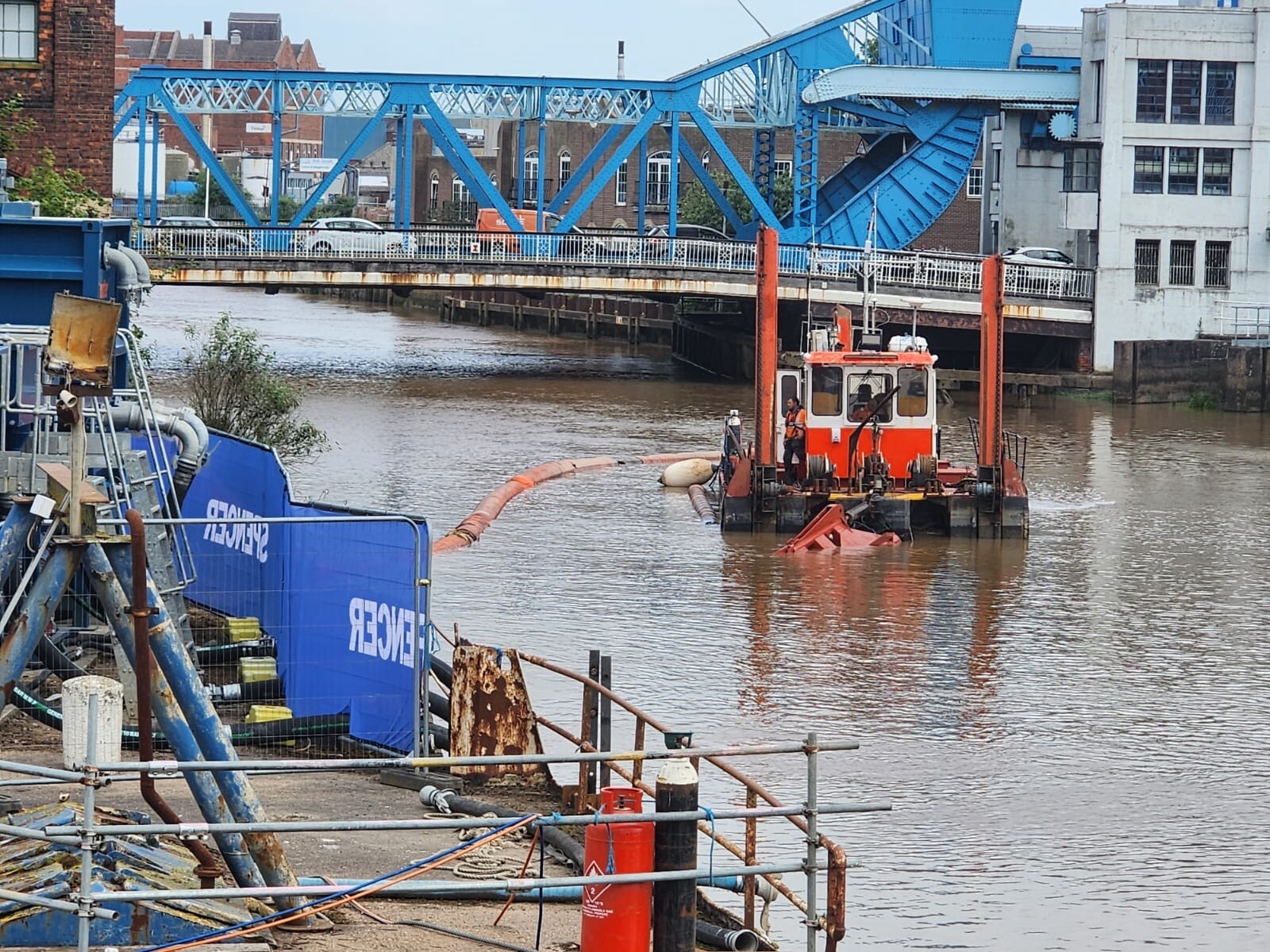
The next significant phase in transforming the North End Shipyard is now underway, as a major dredging operation begins from Thursday on the River Hull.
This critical work is essential to create a clear and safe navigational route to allow the move and dry‑docking of the historic Arctic Corsair at her future permanent berth.
To prepare the riverbed, approximately 3,500 m³ of silt and waste material is being removed from the River Hull between Dryppol and North Bridge.
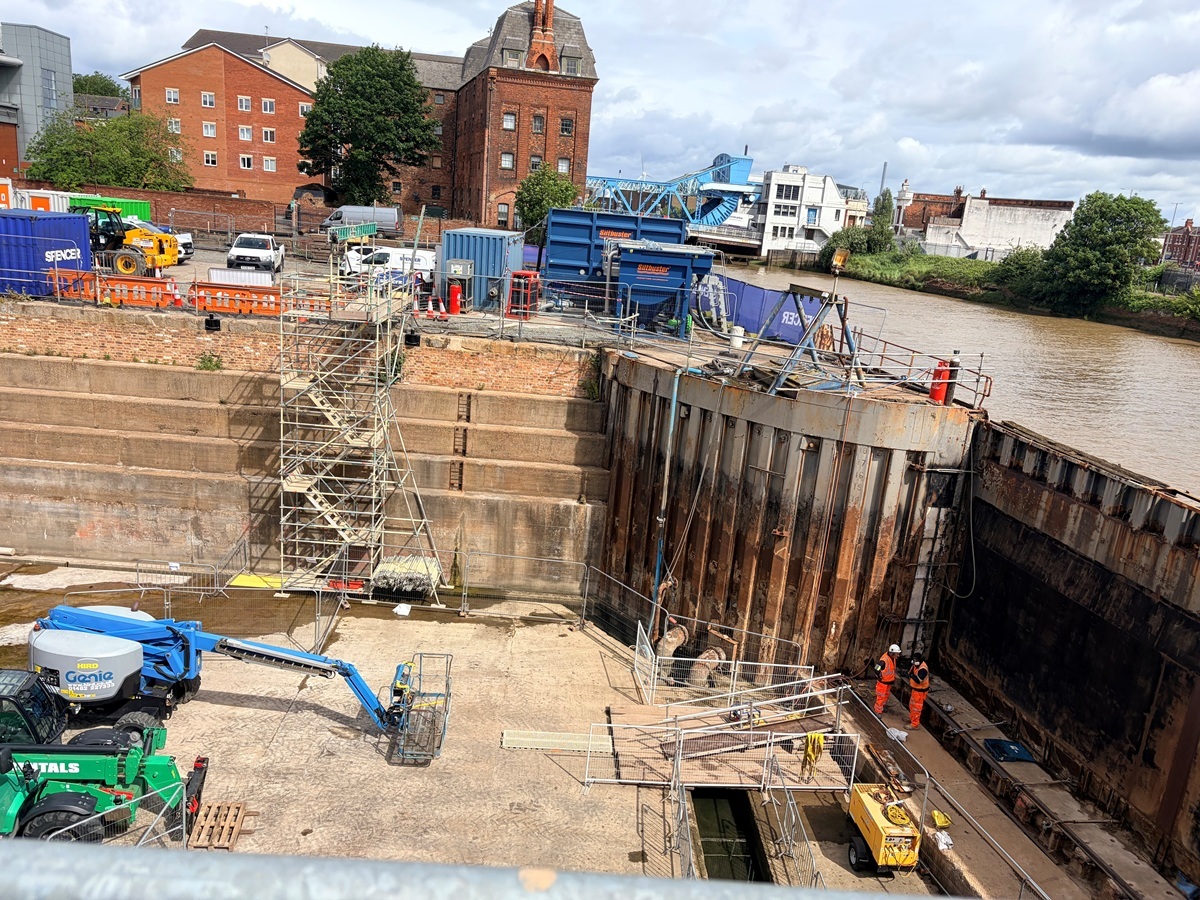
The dredging programme, executed in strategic phases over 12 weeks this summer, involves a complex engineering solution to handle the material responsibly. Sediment lifted from the river will be pumped directly into the North Dock, which will act as a temporary treatment facility. Here, solid waste will be separated from the water, with the waste transported off-site for specialist disposal and the cleaned water safely discharged back into the river.
This phase follows the successful completion of preparatory works and structural surveys on the North Dock, confirming its ability to manage the dredged material securely.
Councillor Mike Ross, Leader of Hull City Council, said: “This is a technically complex and vital operation that effectively clears the path for the Arctic Corsair’s final journey.
“By clearing the riverbed and preparing the dock, we are ensuring that when the tides are right this summer, we can bring this piece of Hull’s history home safely. It is a huge logistical challenge, but one that takes us a massive step closer to opening this world-class visitor attraction.”
Following the dredging, the existing dock gate will be removed and replaced with a modern structure to permanently seal the dock and protect the vessel. This work will continue through to July, ensuring the berth is ready for the trawler’s arrival. The date of the trawler’s move will be shared once confirmed.
The regeneration of the North End Shipyard is a centrepiece of Hull Maritime, the city’s ambitious project to preserve and celebrate its seafaring heritage, funded by The National Lottery Heritage Fund and Hull City Council.