
Hull was surrounded by defensive walls in the Middle Ages. This long edge of Queen's Gardens is where Hull’s north wall once stood. Not all medieval towns were protected in this way but Hull’s importance as a port and strategic stronghold meant it was.
Hull’s first walls were built in 1321, with a ‘licence to crenellate’ granted by King Edward II allowing their construction. King Edward II visited Hull in 1322 and was pleased with the result, which would have been made of earth and timber.
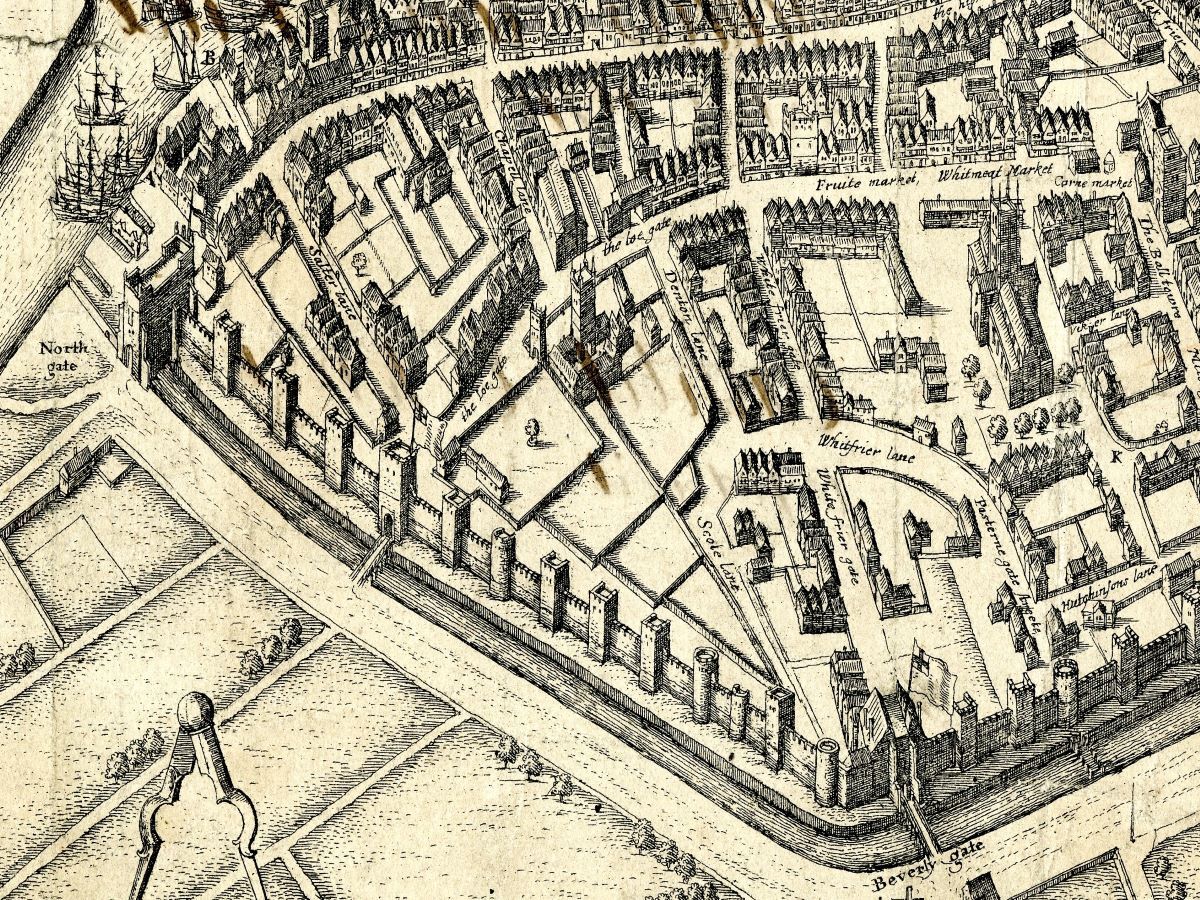
Hull’s walls were rebuilt in brick in the 1340-50s. More than 4.5 million bricks were used in this giant engineering project. The walls were also surrounded
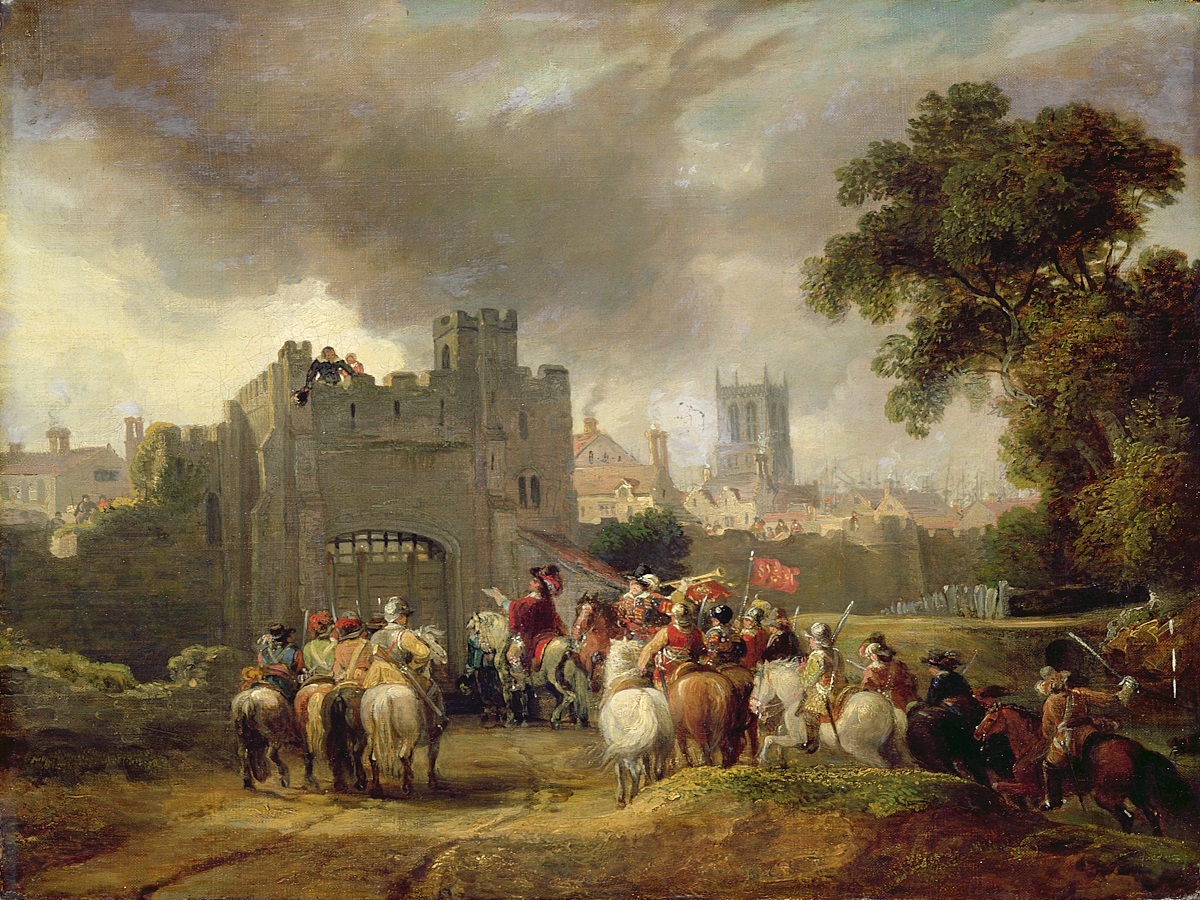
by a moat and entry was via four main gates. The remains of one of these gates can be seen nearby at Beverley Gate.
The town’s defences were also greatly strengthened during the Tudor period.
By the 1700s, Hull was expanding and needed to move beyond its walls. Maritime trade now came before defence. Fortifications were gradually demolished and the shape of Hull changed and grew.
Other languares are available below.