
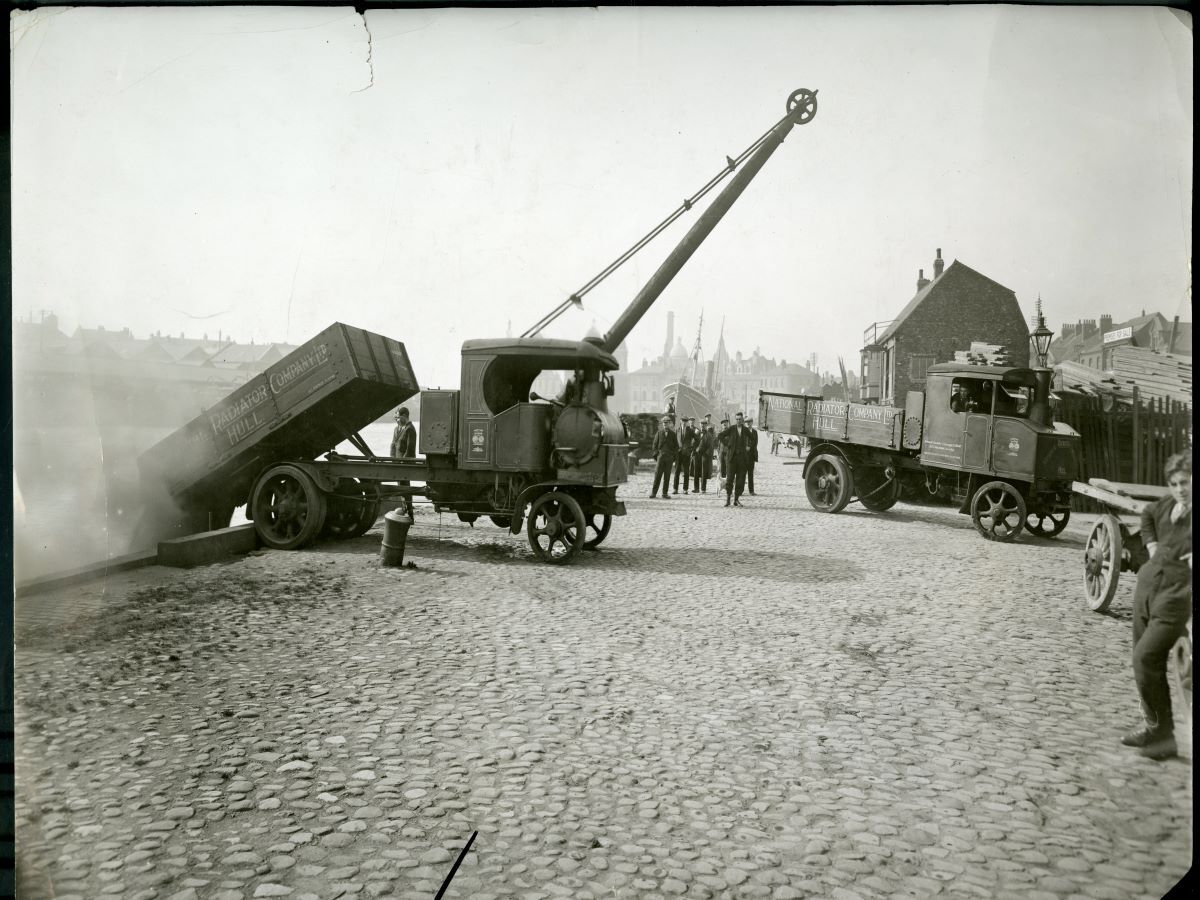
Queen's Dock gradually became less important to Hull’s shipping. By the 1900s larger ships were using bigger docks out on the Humber.
Local politician Sir Alfred Gelder had the idea of creating a park in the centre of Hull. The local authorities duly bought Queen's Dock in 1930. The dock took years to fill in. Most of it was filled with silt from Hull’s other docks, along with building rubble and assorted waste.
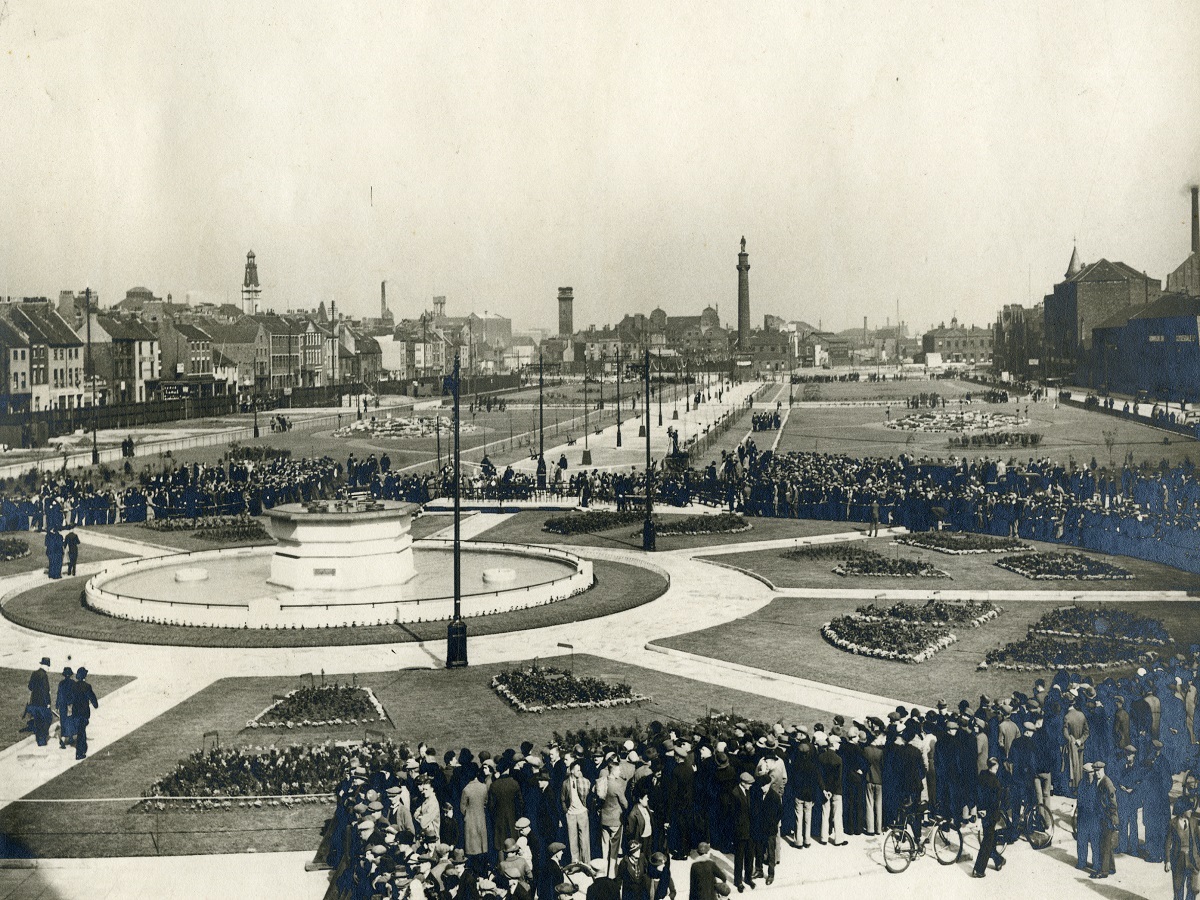
By 1935, Queen's Gardens was opened to the public and the gardens soon became a much-loved city centre green space. However, during the Second World War part of the park fulfilled a different role, being home to air raid shelters for city workers.
Following the war Hull looked forward with optimism. Queen's Gardens was redesigned in the 1950s by Sir Frederick Gibberd. He was a highly respected architect who also designed the Hull College building which still stands nearby.
Queen's Gardens has been redesigned for the 21st century, retaining much of Gibberd’s vision and integrating new artworks and improved infrastructure to host major events.
Trees and plants have been carefully chosen to support bio-diversity and be resilient to climate change.
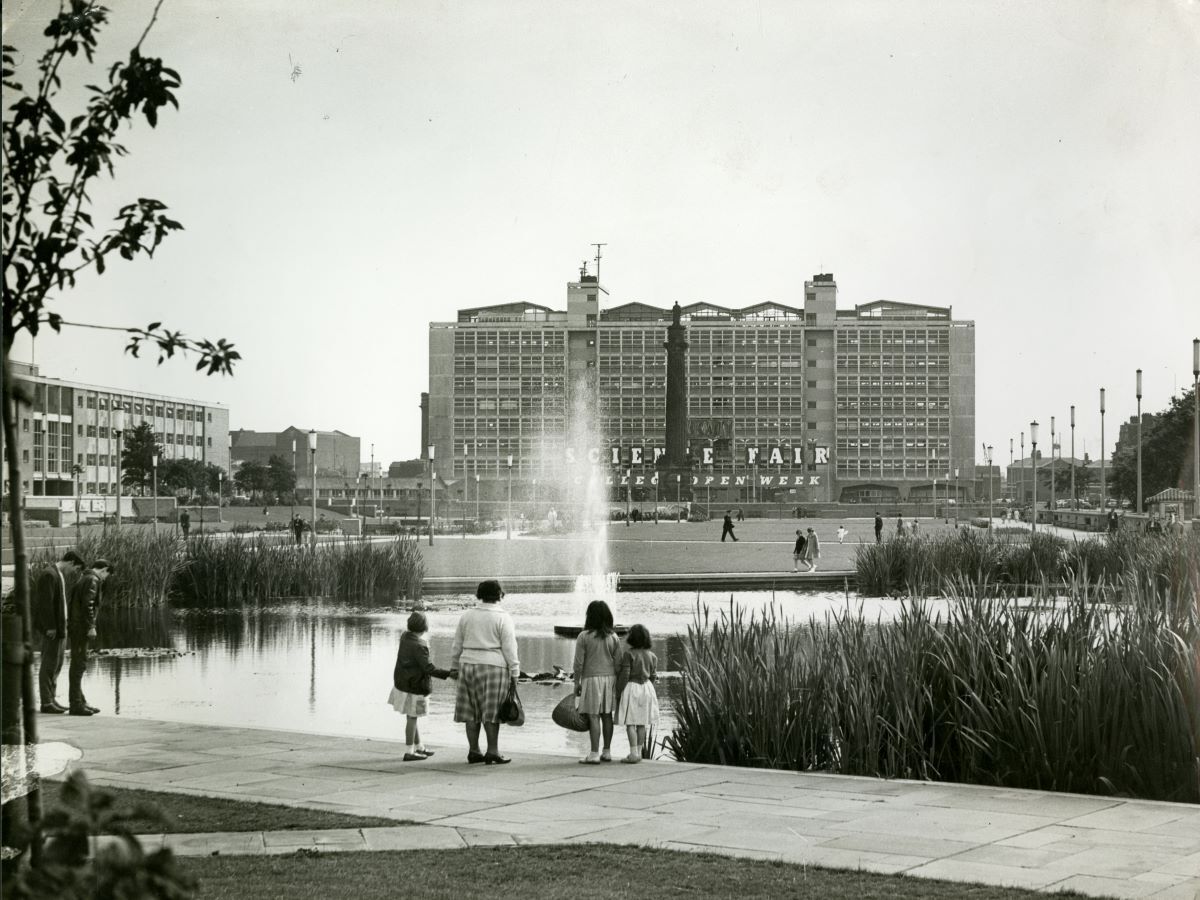
Queens Gardens remains a valuable green space to be enjoyed by all, firmly rooted in its maritime heritage.
This information is available in other languages below.