
Humber Street was originally known as ‘The Ropery’, as this is where ropes for Hull’s maritime industries were made in the medieval period. At this time, Humber Street was also the most southerly street in the area and bordered the River Humber.
When Humber Dock was created in 1807, the leftover materials from the construction of the dock were used to create new areas including Wellington Street and Nelson Street. At first Humber Dock served a wide range of merchants, but by the early 1900s it was almost entirely a Fruit Market.
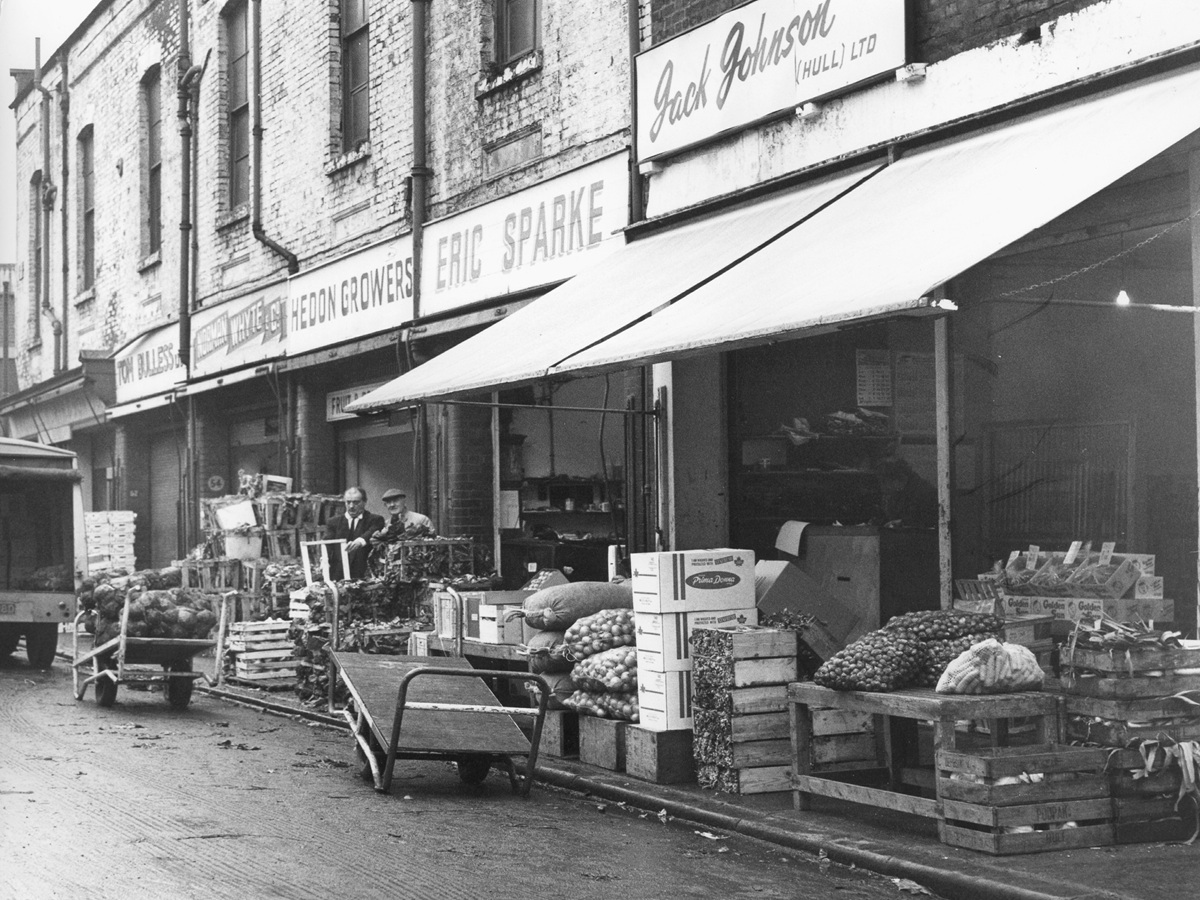
Hull’s Fruit Market sold a vast range of fruits, vegetables, and nuts from around the world which arrived in Humber Dock on schooners, a special type of ship. Strawberries, bananas, pineapples, pears, prunes, plums, cherries, bilberries, melons, rhubarb and apples were all brought into the country and sold around Humber Dock, especially on Humber Street.
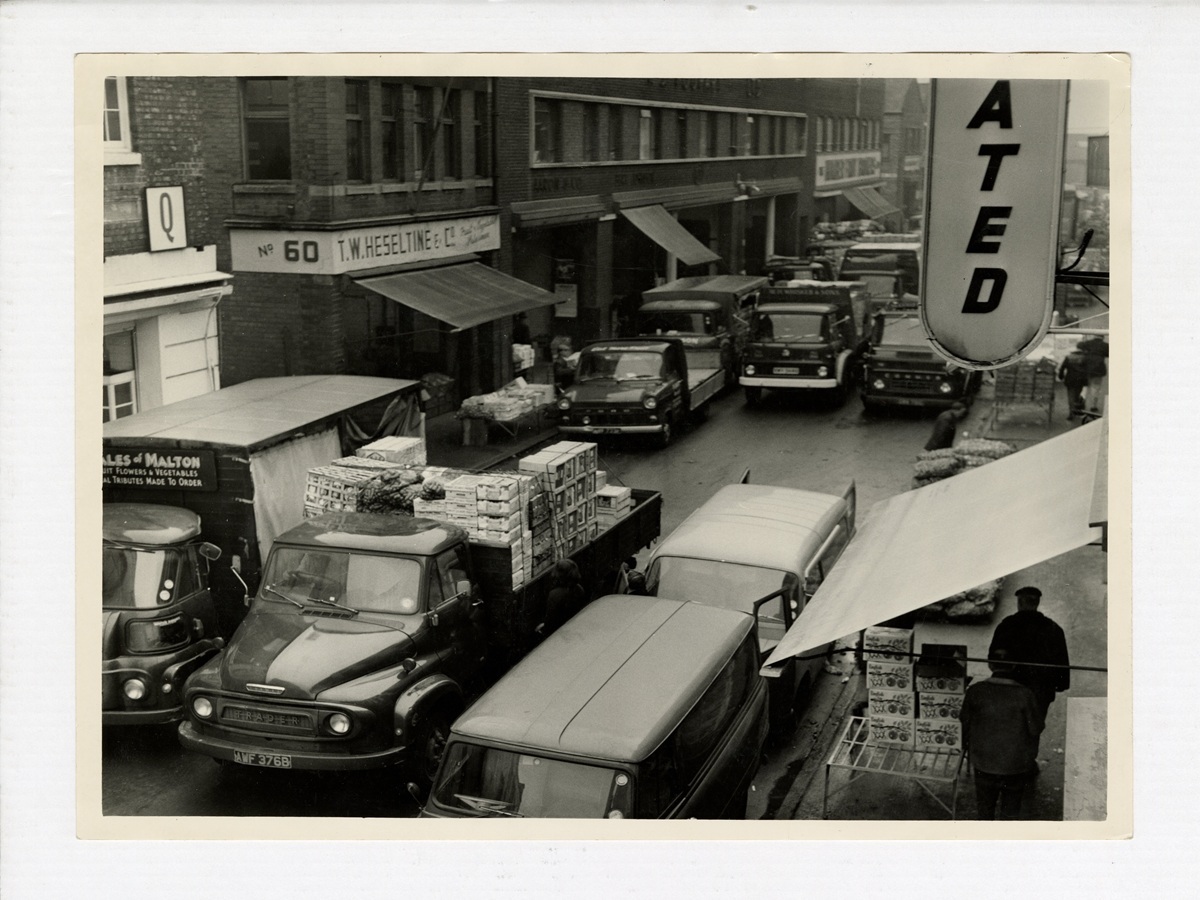
By the 1920s this area was known as ‘the Covent Garden of the north’, reflecting Humber Dock’s importance to trade across the country.
Fact: According to historic reports, more than 20,000 lettuces were sold at Hull’s Fruit Market each week!
Other languares are available below.