
Smuggling and the growing number of ships led to Hull’s first dock being built.
Hull’s strong links with European trade saw merchant shipping continually grow. Hull was also establishing itself as one of the country’s leading whaling ports. The old system just couldn’t cope.

The congested ‘Old Haven’ or harbour on the River Hull was controlled by rich merchants with their own landing stations and staithes. Customs and Excise found it hard to collect the taxes owing on all goods. They felt smuggling was rife in Hull and wanted a more controlled system.
There was a great reluctance to create a new dock in Hull as the existing system benefitted many influential men. However, the government threatened to create a
rival port in Gainsborough, Lincolnshire if nothing changed. They also offered financial assistance to create the new dock and an expanse of land north of the town’s walls.
Eventually a deal was done.
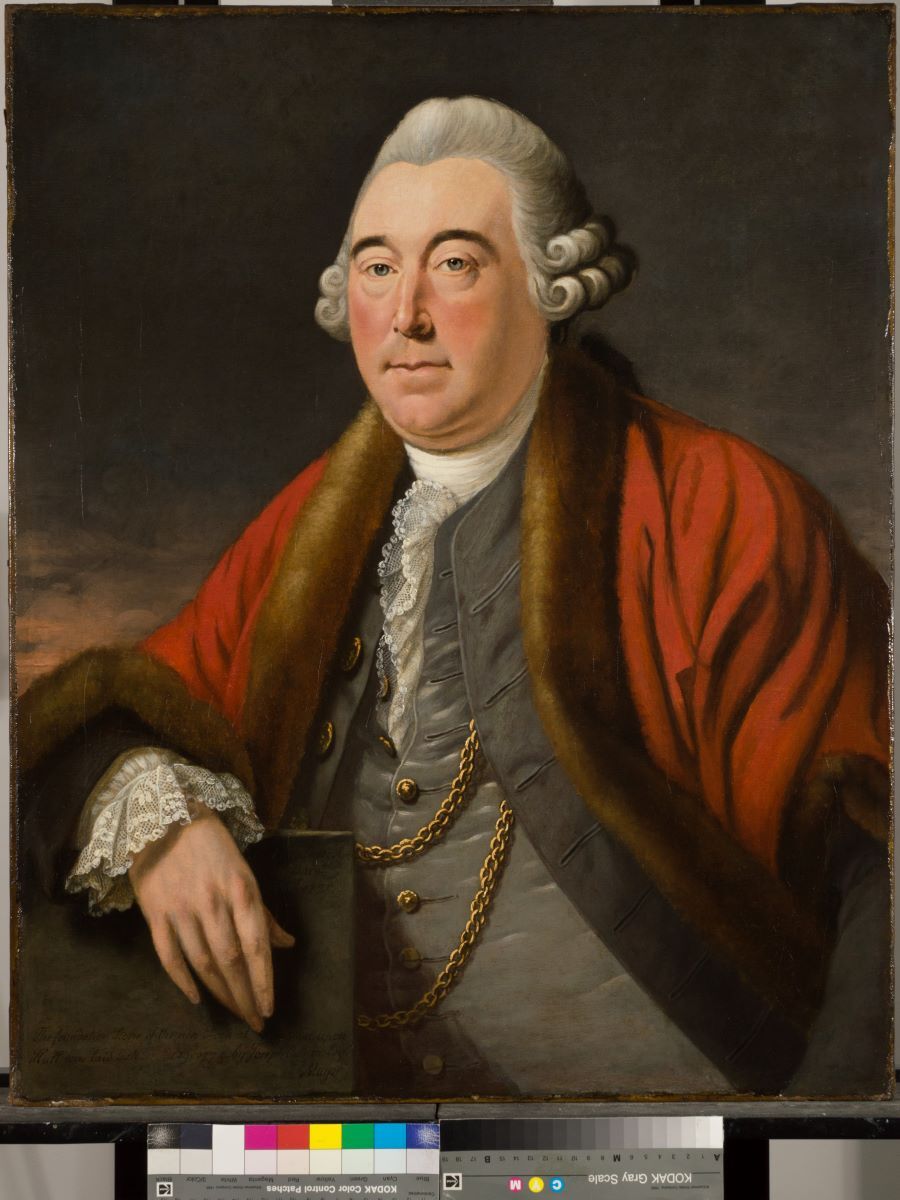
In 1774, a government Bill created the Hull Dock Company and a year later the construction of Hull’s first dock began.
This information is available in other languages below.